|
The Wildness Issue / November 14, 2026
Take Me Back · Possessed · Off the Leash · Still Waters · Carry Home
Thank you to 1440 for sponsoring this newsletter. A wild mind still needs a clear view of the world, so get the day's news in one quick, unbiased read below.
Welcome to The Wildness Issue, where the part of you that never got fully tamed finally gets some room to run. Read with the windows open, because something here wants out.
Today's poem, "Beyond Telluride's Thrills," throws down a gun on a Colorado range and begs to go back. In Echoes, I follow a schoolteacher into the Highlands that owned him. In Devices, I watch a sentence break its harness. In DYK, I sit beside a late Kentucky farmer and his great heron, and in Shop, I let a few lines leave the page and follow you home.
Wildly yours,
Jason
jasonzguest.com
|
|
Featured Poem
Beyond Telluride's Thrills
A man throws down his gun above Telluride.
Echoes
The Man a Mountain Kept
One Scottish poet let a wild coast own him.
Devices
The Sentence That Slipped Its Bridle
Why a broken sentence can tell the truth.
DYK
The Farmer Who Kept the Wild Things
A Kentucky poet's quiet shelter, mourned this month.
Shop
Lines That Leave the Page
These lines broke out of the inbox, and you get first pick.
|
|
|
|
Featured Poem
Beyond Telluride's Thrills
Beyond Telluride's Thrills
By Jason Z Guest
First opened my eyes to the bigger surprise,
inside those painted foothills.
Still can't help but think how the water must drink
far above her haggard sawmills.
Where the dark turns to gray, patterns breaking into day,
each morning tamed the wild chill.
Where I threw down my gun, wiped my brow and was done,
out there beyond Telluride's thrills.
So wave to old man Brown when passing on through town,
tip your hat to the crown and the bear.
Keeper to the rich and the strange,
poured my guts out on that range
hit my knees just to taste the sweet air.
God, will you take me back there?
|
|
|
Echoes · On This Day, November 14
The Man a Mountain Kept
On this date in 1910, Norman MacCaig was born in Edinburgh, and he spent the next eighty-five years as two men at once. The city man studied the classics, taught primary school, and went to prison during the Second World War for his pacifist convictions. The other man belonged to Assynt, a rugged corner of the West Highlands where he fished the hill lochs and returned for forty years to let the mountains rearrange him. |
|
|
He called that coast his spiritual home, and in his long poem A Man in Assynt he asked who truly owns such ground, "the man who bought it or I who am possessed by it?" For MacCaig, wildness meant a claim the land laid on him, stronger than any deed.
The same date gave Denmark its national poet. Adam Oehlenschläger was born in Copenhagen in 1779, and seventy years later Denmark held a public festival for his birthday.
Two poets, two coasts, and one date prove that a person can belong to a landscape as completely as its weather.
Walk into the Highlands he loved through the poems he left behind.
|
|
|
Devices
The Sentence That Slipped Its Bridle
Anacoluthon is a sentence that starts down one road and jumps onto another before reaching the end. The Greek word means “not following,” and a grammar teacher would mark it wrong in red ink. When a feeling comes faster than neat grammar can handle, the sentence breaks free, and that break says more than any polished line. On the page, anacoluthon is the sound of wildness getting loose inside words. |
|
|
If thou beest he; But O how fall'n! how chang'd
From him, who in the happy Realms of Light
Cloth'd with transcendent brightness didst out-shine
Myriads though bright
John Milton, Paradise Lost, Book I
In John Milton's Paradise Lost, Satan finds his fallen companion Beelzebub in the burning lake and begins to say, “If you’re really him...” He never gets to the end of that thought. The shock of seeing his friend so changed knocks the sentence off course, and it stays broken for several lines.
A wild sentence still carries meaning, the way a flooded river still carries the trees it tore loose.
Step into the burning lake where Satan first loses his footing in midsentence.
|
|
|
DYK
The Farmer Who Kept the Wild Things
This month, magazines across the spectrum are saying goodbye to Wendell Berry, the Kentucky farmer and poet who died on August 31, 2026, at ninety-two. The Nation gave him space in its November issue, and Maria Popova revisited one of his final poems on The Marginalian last week. Few American poets drew praise from both Dissent and The American Conservative, yet Berry earned it from each by writing against the destruction of land, communities, and people. |
|
|
His best-loved poem, "The Peace of Wild Things," walks out at night to lie down where the wood drake rests and the great heron feeds. He wrote most of his work in pencil and without electric light, per his New York Times obituary.
Readers first met him here in The Bloom Issue in April, and his wild things offer shelter from the noise of the age.
Spend five quiet minutes with that final poem this weekend.
|
|
|
The Statement Collection
Lines That Leave the Page
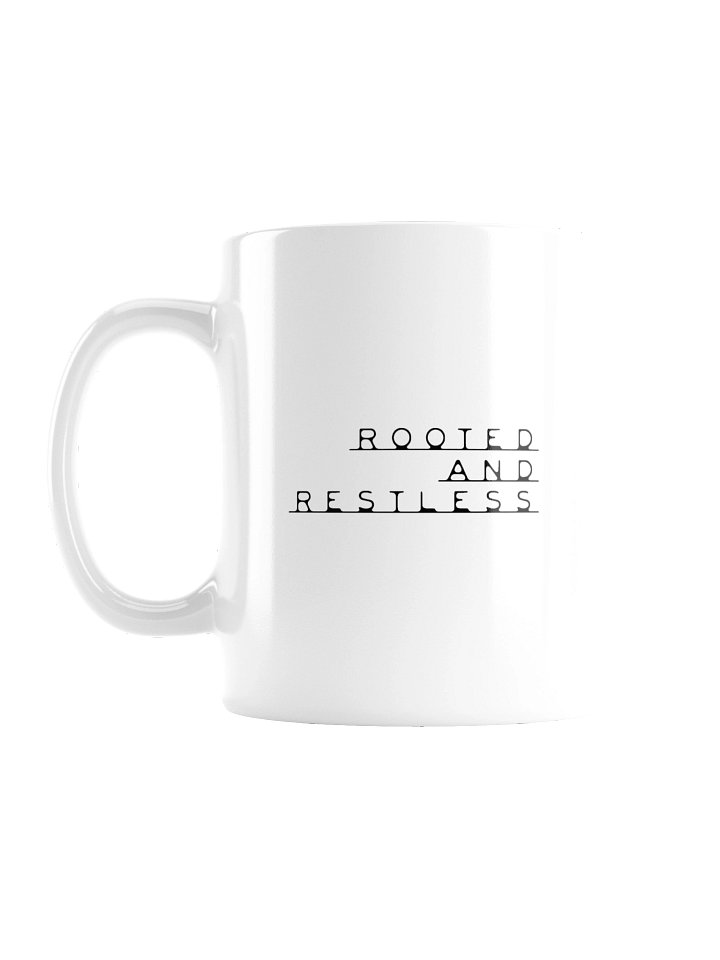
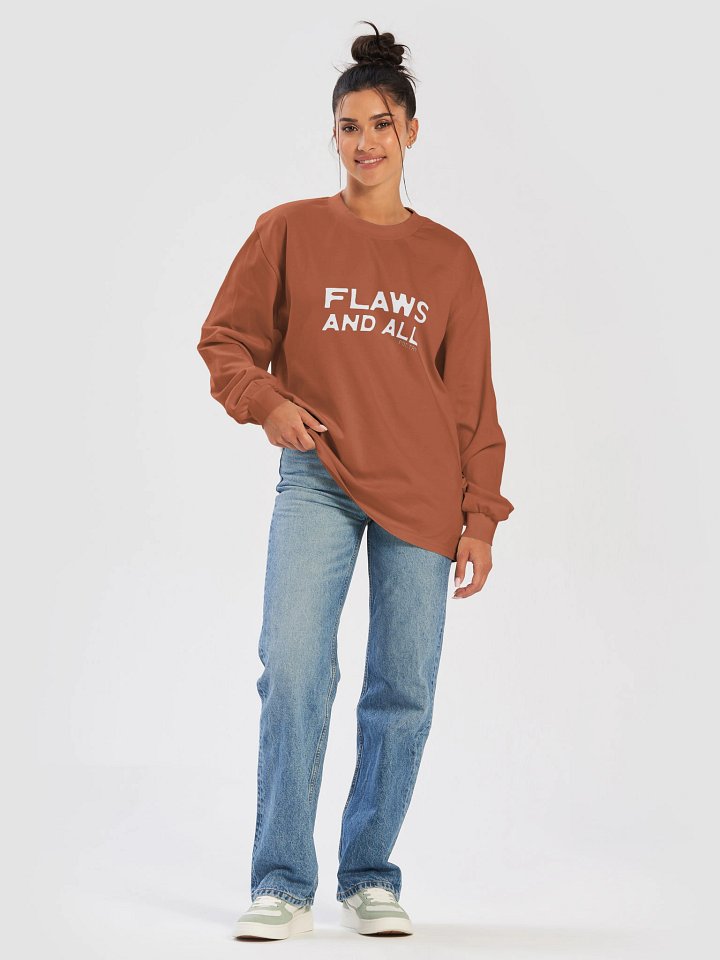
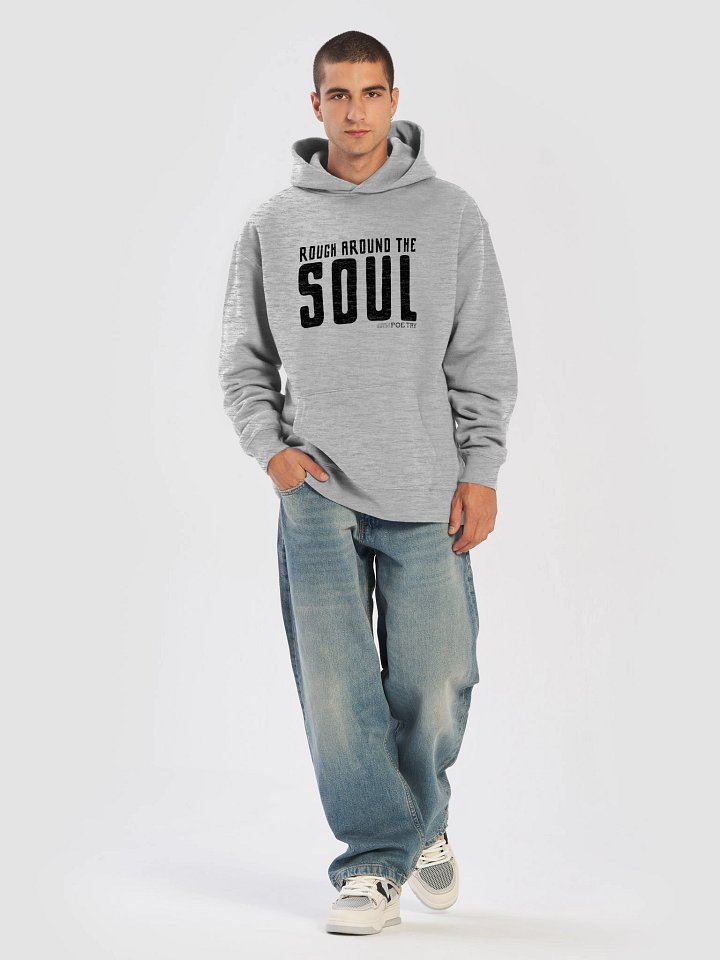
For months, I’ve wanted these words to live somewhere beyond the inbox. Today, I’m opening the doors to shop.jasonzguest.com, starting with The Statement Collection. These pieces carry phrases from my writing, like "Rooted and Restless" and "Still Becoming," for anyone who sees a little of themselves in them. My art and other goods will follow in time.
You’re seeing it before anyone else. Come in and look around.
|
|
|
© 2026 Jason Z Guest. All rights reserved. PO Box 453, Hunt, Texas 78024
|
|
|